
A Corporate Wellness Reflection
Pressure is part of work.
Deadlines compress. Priorities compete. Decisions are made with incomplete information. Teams are expected to execute while conditions change around them.
This level of pressure is not inherently damaging.
In fact, many organizations thrive because they can operate under it.
What damages culture is not the presence of pressure—but what happens when pressure is never acknowledged.
Pressure Is Not the Villain
Organizations often worry that pressure itself is the problem.
That demanding environments inevitably erode morale.
That high standards automatically create burnout.
But pressure alone does not break culture.
People can tolerate pressure when:
It is understood as real
It is shared rather than isolated
It is acknowledged rather than ignored
Pressure becomes corrosive when it is treated as invisible.
The Cost of Saying Nothing
In busy organizations, silence often feels efficient.
There’s no time to pause.
No room to dwell.
No bandwidth to reflect.
So work moves on.
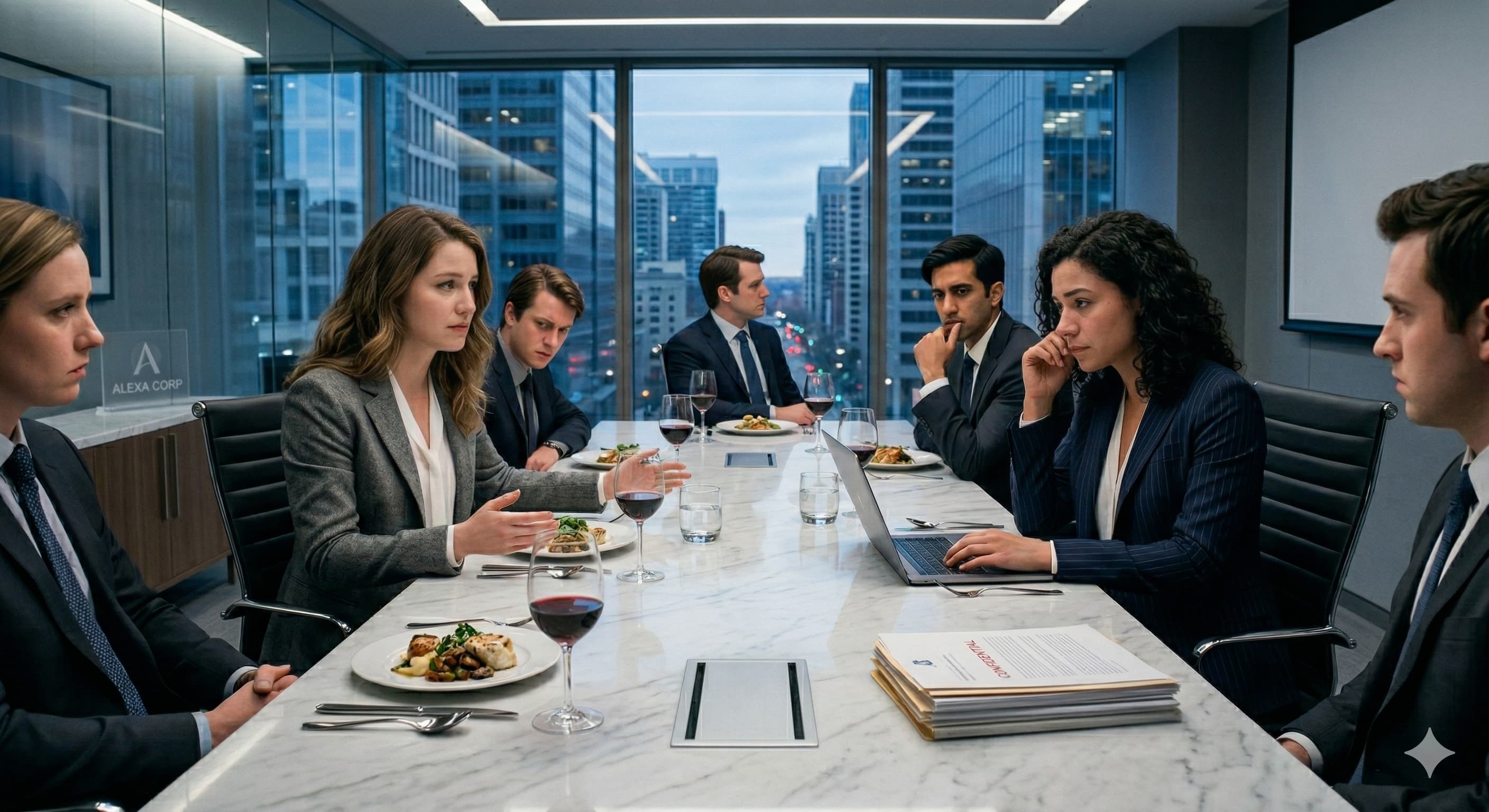
Meetings start with agendas instead of acknowledgment.
Messages focus on next steps instead of impact.
Transitions happen without naming what just occurred.
The absence of acknowledgment sends a message—even when no one intends it to.
It says:
The strain wasn’t significant
The effort doesn’t need recognition
The experience doesn’t need naming
Over time, people stop expecting their experience to be seen.
How Silence Reshapes Culture
Culture is not shaped by what organizations say they value.
It is shaped by what they consistently acknowledge—or don’t.
When silence becomes the default response to pressure:
People internalize strain rather than share it
Teams normalize self-suppression to keep moving
Leaders become further removed from lived experience
Trust erodes quietly
This erosion doesn’t announce itself.
It shows up as:
Shorter conversations
Reduced honesty
Fewer early warnings
Polished updates that hide real conditions
Culture looks functional.
It feels thinner.
Silence Is Not Neutral
Silence is often mistaken for professionalism.
For resilience.
For maturity.
But silence under pressure is rarely neutral.
It shifts responsibility inward.
Instead of pressure being acknowledged as a shared condition, individuals absorb it privately. They regulate themselves so the system doesn’t have to.
This self-regulation is rarely rewarded—and often expected.
Over time, people become less willing to bring their full attention, creativity, or care to the work.
Not because they don’t want to—but because it no longer feels safe or useful to do so.
Acknowledgment Is Not the Same as Vulnerability
Many organizations avoid acknowledgment because they fear it will open the door to vulnerability they don’t have time to manage.
That naming pressure will invite emotion.
That pausing will slow momentum.
In reality, acknowledgment does not require disclosure.
It does not require people to share how they feel.
It simply requires recognizing that something demanding occurred.
A sentence.
A moment.
A signal.
Acknowledgment says:
We know this was hard
We recognize what it took
We’re not pretending it didn’t happen
That’s it.
Why Silence Feels Easier—But Isn’t
Silence feels efficient in the short term.
It keeps meetings on track.
It avoids discomfort.
It maintains pace.
But silence is expensive over time.
When pressure is never named, people:
Carry more internally
Withdraw emotionally
Stop surfacing concerns early
Disengage without drama
The organization pays later in retention, trust, and adaptability.
Culture Is Reinforced in What Gets Named
Culture is reinforced by what leaders choose to name—even briefly.
When pressure is acknowledged:
People feel oriented rather than isolated
Effort feels shared rather than extracted
Trust stabilizes under strain
This doesn’t require long conversations or slowed operations.
It requires consistency.
Naming pressure once is kind.
Naming it repeatedly makes it cultural.
Silence Creates Fragility
Organizations that rely on silence to manage pressure often appear strong.
Until something unexpected happens.
Without a culture of acknowledgment:
Issues surface late
Feedback becomes indirect
Change feels abrupt rather than navigable
Silence creates fragility because it prevents integration.
People don’t know where they stand—only what’s expected.
Why This Is a Corporate Wellness Issue
Wellness is often framed as an individual responsibility.
But silence under pressure is a systemic condition.
It teaches people to absorb rather than process.
To endure rather than integrate.
To perform rather than participate fully.
No amount of individual coping can offset a culture that never acknowledges what it asks of people.
A Reality-Based Reminder
Pressure will remain part of work.
Deadlines will compress.
Change will accelerate.
Expectations will stay high.
But silence is a choice.
And it is one of the most influential cultural choices organizations make—often without realizing it.
Where SUUM Stands
SUUM helps organizations break silence without disrupting operations.
Not by encouraging oversharing.
Not by slowing work down.
But by reinforcing simple acknowledgment as part of how work moves.
Pressure doesn’t break culture.
Silence does.
A Closing Reflection
What if culture were shaped less by what we say we value—and more by what we acknowledge in real time?
What if naming pressure were treated as a strength, not a liability?
What if silence weren’t the price of professionalism?
At SUUM, we believe workplace wellness begins with one quiet truth:
U Matter – even here.
Frequently Asked Questions
What is the definition of pressure?
Pressure, in a general sense, refers to the force applied continuously over a surface. Think of it as how much "push" is distributed across a given area. In physics, it's often measured in units like Pascals (Pa) or pounds per square inch (psi). Beyond the scientific definition, "pressure" can also describe a state of stress or urgency, like the feeling of having a deadline to meet.
What does Mewtwo pressure do?
Mewtwo's pressure in Super Smash Bros. Melee refers to its ability to control space and force opponents into defensive options. This is largely due to its fast aerials, strong projectiles like Shadow Ball, and excellent recovery. By effectively using these tools, Mewtwo can limit an opponent's movement, create openings for attacks, and maintain stage control, putting constant pressure on them throughout the match.
Is the movie pressure based on a true story?
No, the movie "Pressure" is not based on a true story. It is a fictional thriller that explores the intense challenges faced by a team trapped underwater. While the film aims for realism in its depiction of the environment and engineering, the specific events and characters are products of the screenplay. The movie focuses on the psychological "pressure" and survival instincts of the crew rather than real-life incidents.
What is the Eisenhower movie about 2026?
There is no confirmed movie titled "Eisenhower" slated for release in 2026. While films about historical figures, particularly those who faced immense pressure like President Eisenhower, are common, no specific project matching this description has been officially announced or is in production for that year. It's possible there's a misunderstanding or a project is in very early, unconfirmed stages.